February 2026
Beyond Buzzwords — Rethinking Eco-Conscious Practices in Landscape Design
Ar.Kripa K Baby

Sustainability has become the most comfortable word in design — and perhaps the most diluted. Groundwater recharge. Permeable paving. Native planting. Miyawaki forests. We use these terms easily. Clients expect them. Consultants recommend them. Designers specify them. And often, we feel reassured simply by including them in a presentation.
Are we designing sustainably — or performing sustainability?
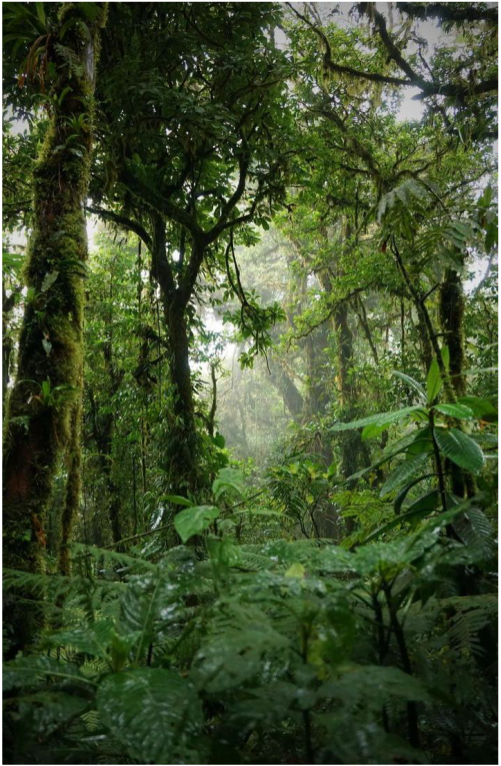
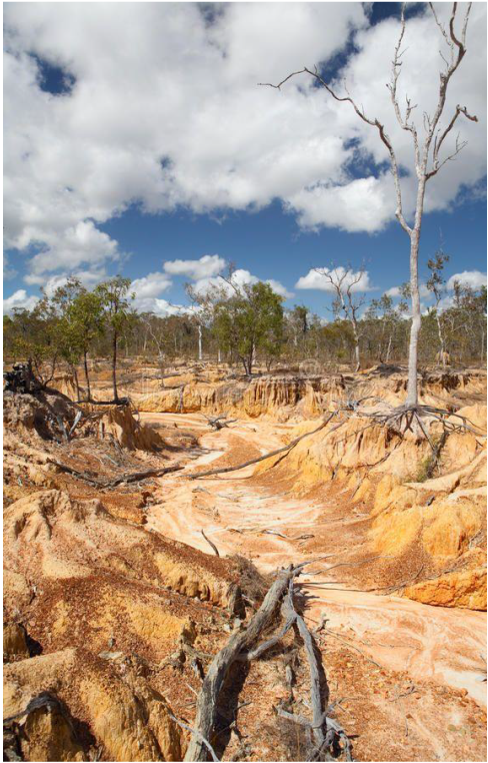
At Thinking Hats, we believe eco-conscious design is not a checklist. It is a site-specific, science-informed, context-driven process. Sometimes, that requires the courage to unlearn popular narratives. This reflection emerged from a talk delivered at Avani School of Design in December 2024 — but more importantly, from our daily practice in the unique landscapes of Kerala.
The Illusion of Groundwater Recharge
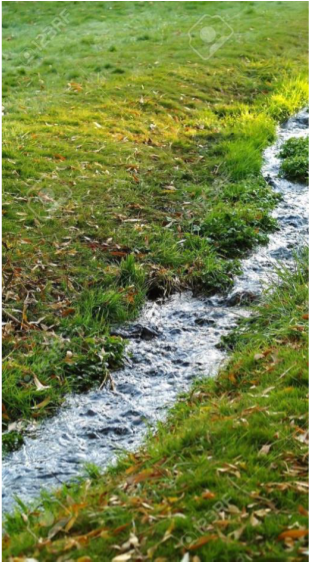
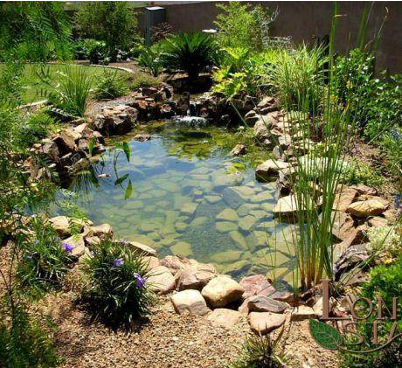
Groundwater recharge is often presented as a simple linear equation: Collect rainwater. Let it percolate. Aquifers recharge. Problem solved.
In the lateritic terrains of North Kerala, soil behaves differently. Laterite is porous and sponge-like — but that does not automatically mean it recharges aquifers effectively. Subsurface water movement in such contexts can sometimes trigger soil piping: underground erosion channels that eventually collapse.
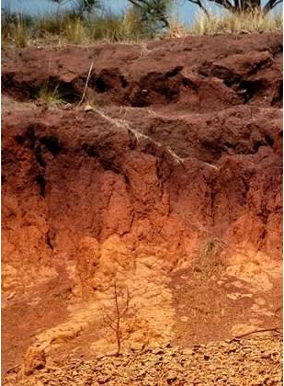
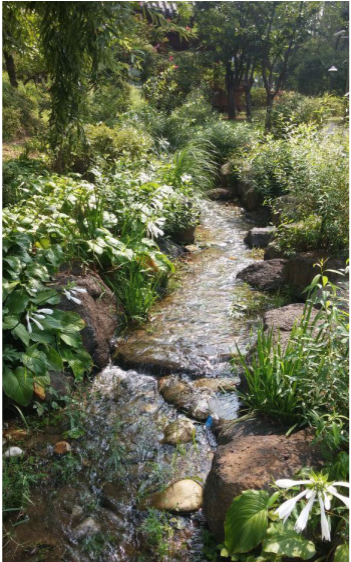
Recharge is not inherently wrong. But it is geological, not decorative. Designing effective systems requires a deep understanding of soil structure and subsurface flow patterns, vadose zones, confined and unconfined aquifers.
The Miyawaki Misstep
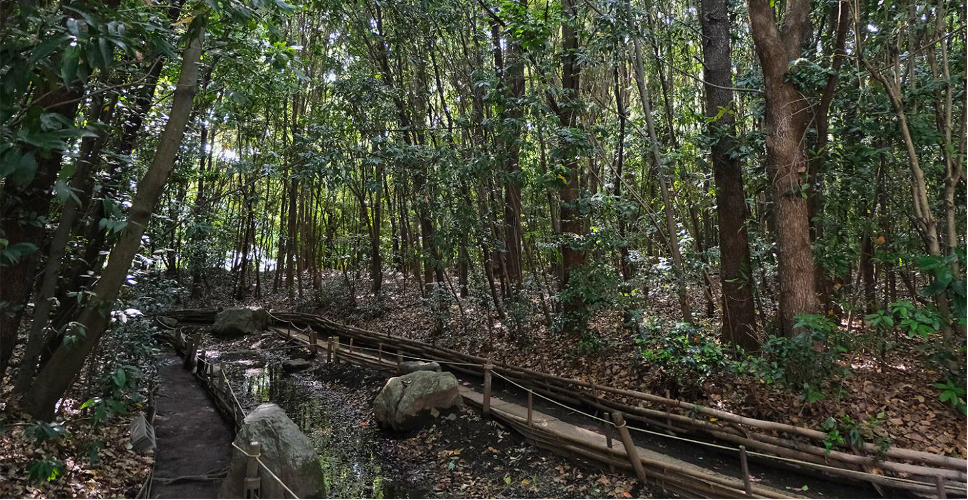
The Miyawaki method, developed by Akira Miyawaki, has become one of India’s most celebrated afforestation strategies. It promises rapid growth and dense canopy within a few years. In the right context, it can work.
However, the method is increasingly applied as a formula rather than a framework. We are seeing identical planting densities used across varied climates. Grassland ecosystems are being replaced by dense tree clusters. The result is often overcrowded plantations struggling for light, nutrients, and water.
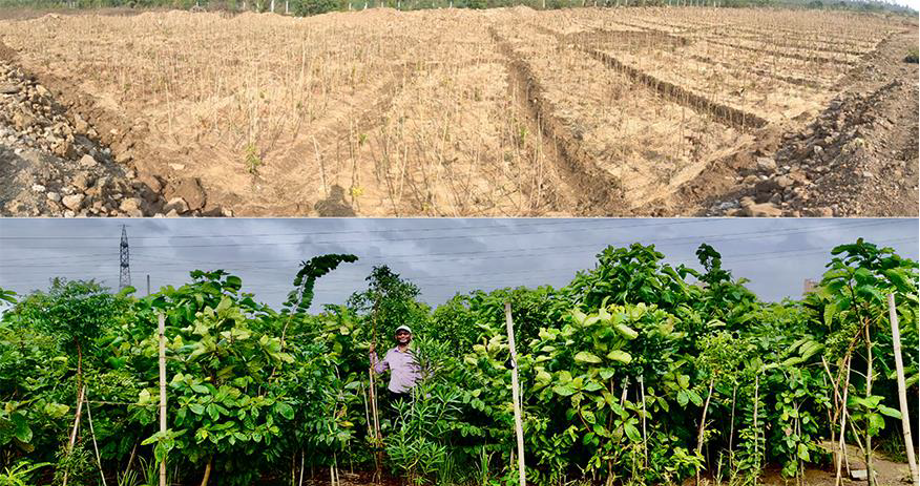
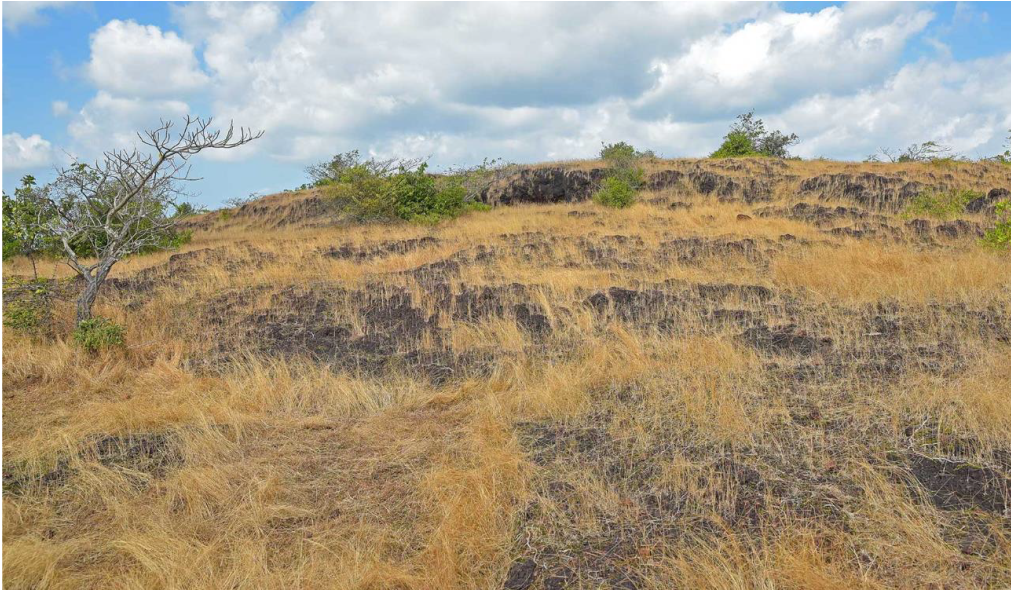
Speed is seductive. But ecology works in decades. Not every landscape wants to become a forest. Sometimes resilience lies in openness.
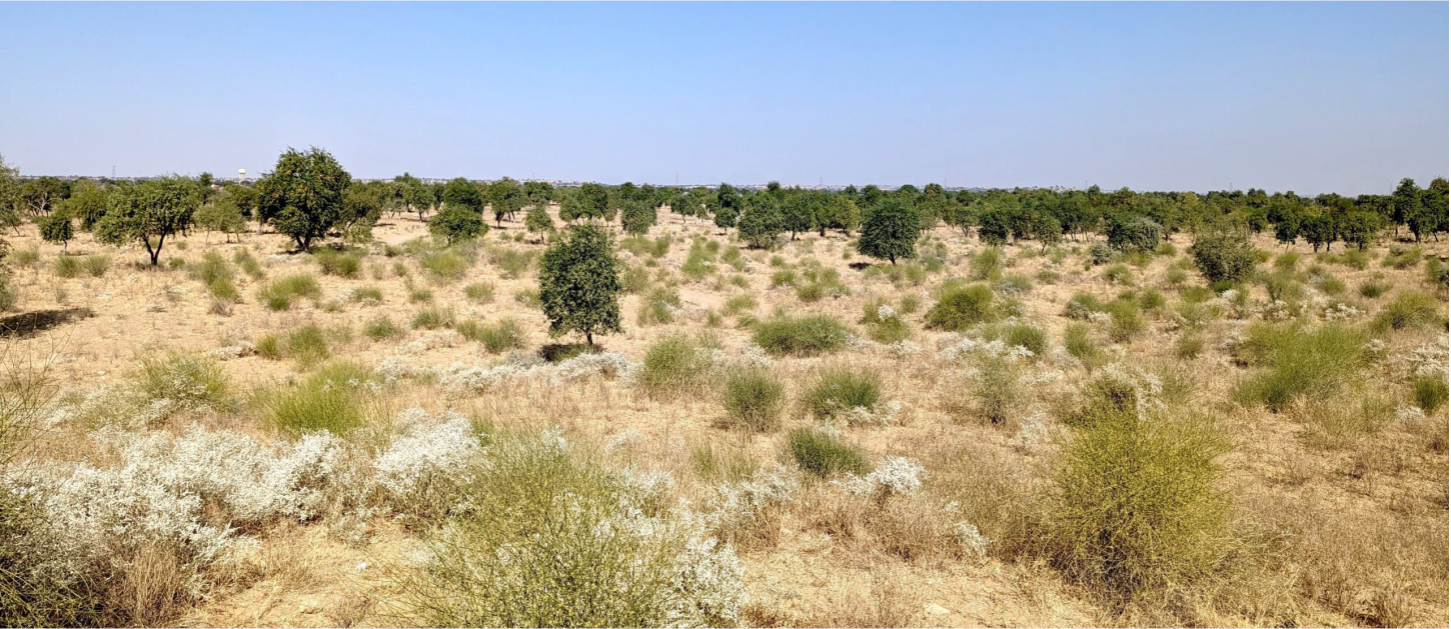
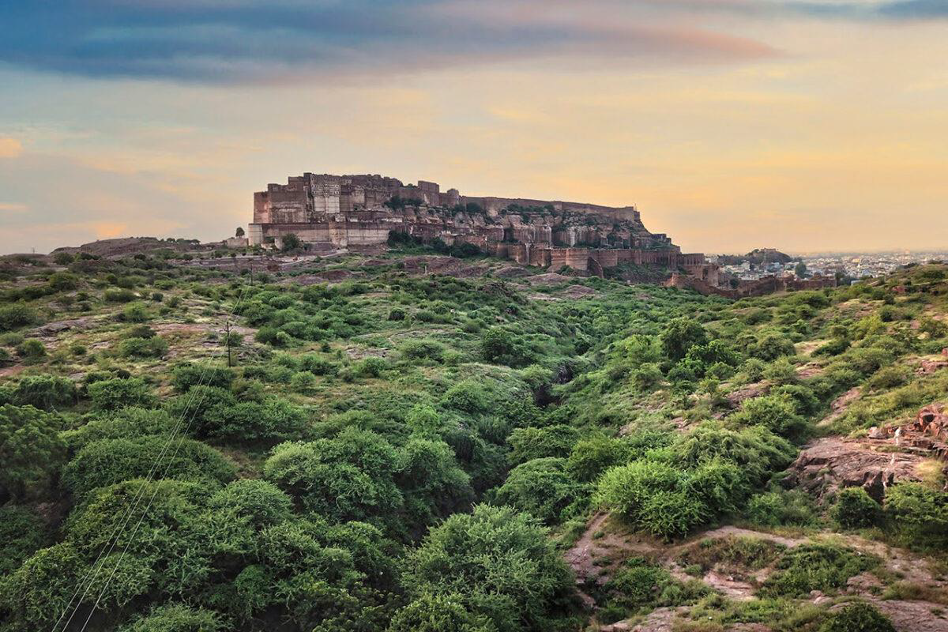
Rao Jodha Desert Rock Park in Jodhpur, rewilded by Pradip Krishen
An open natural ecosystem with grasses and herbs covering the ground, trees and shrubs spaced wide apart — nothing akin to a Miyawaki plantation
Rethinking the ‘Exotic’ Debate
In contemporary design discourse, the narrative often feels binary: Native equals good. Exotic equals bad. Ecology, however, is rarely binary.
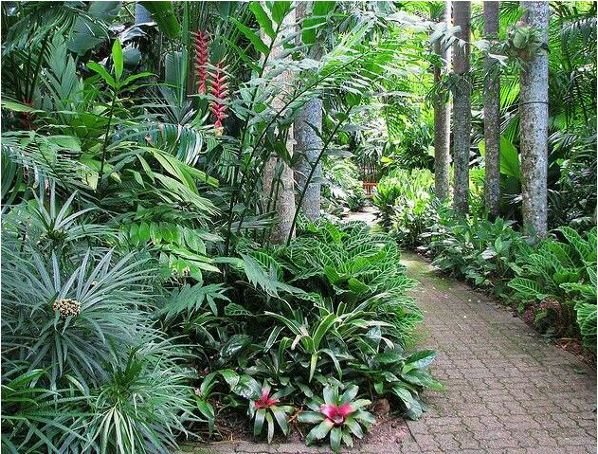
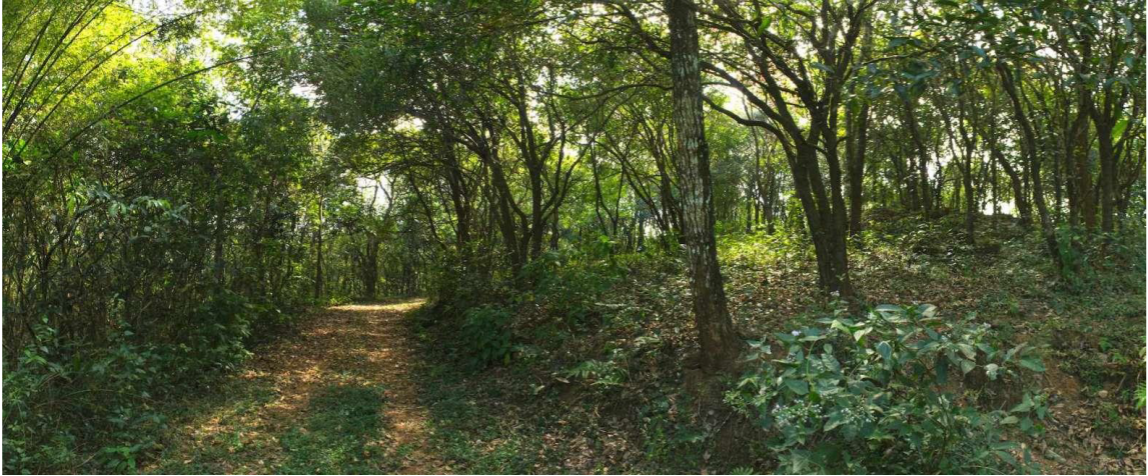
Exotic species are simply non-native. Invasive species aggressively disrupt ecosystems. Naturalized species are exotics that have adapted and coexist without ecological harm.
The real question is not ‘native or exotic?’ It is: Does this planting strategy support the larger ecological system?
Context Is the Real Sustainability
Sustainability is not about adopting trends. It is about reading the land. It requires understanding terrain and hydrology, studying soil behavior and observing ecological succession, collaborating with scientists — not just stylists, designing for long-term performance, not immediate visual impact.
Green is easy. Resilient is harder. Truly sustainable landscapes are not created by buzzwords — but by balance, integration, and foresight.