March 2026
From Composition to Ecology — Rethinking Planting Design in Practice
Ar.Kripa K Baby
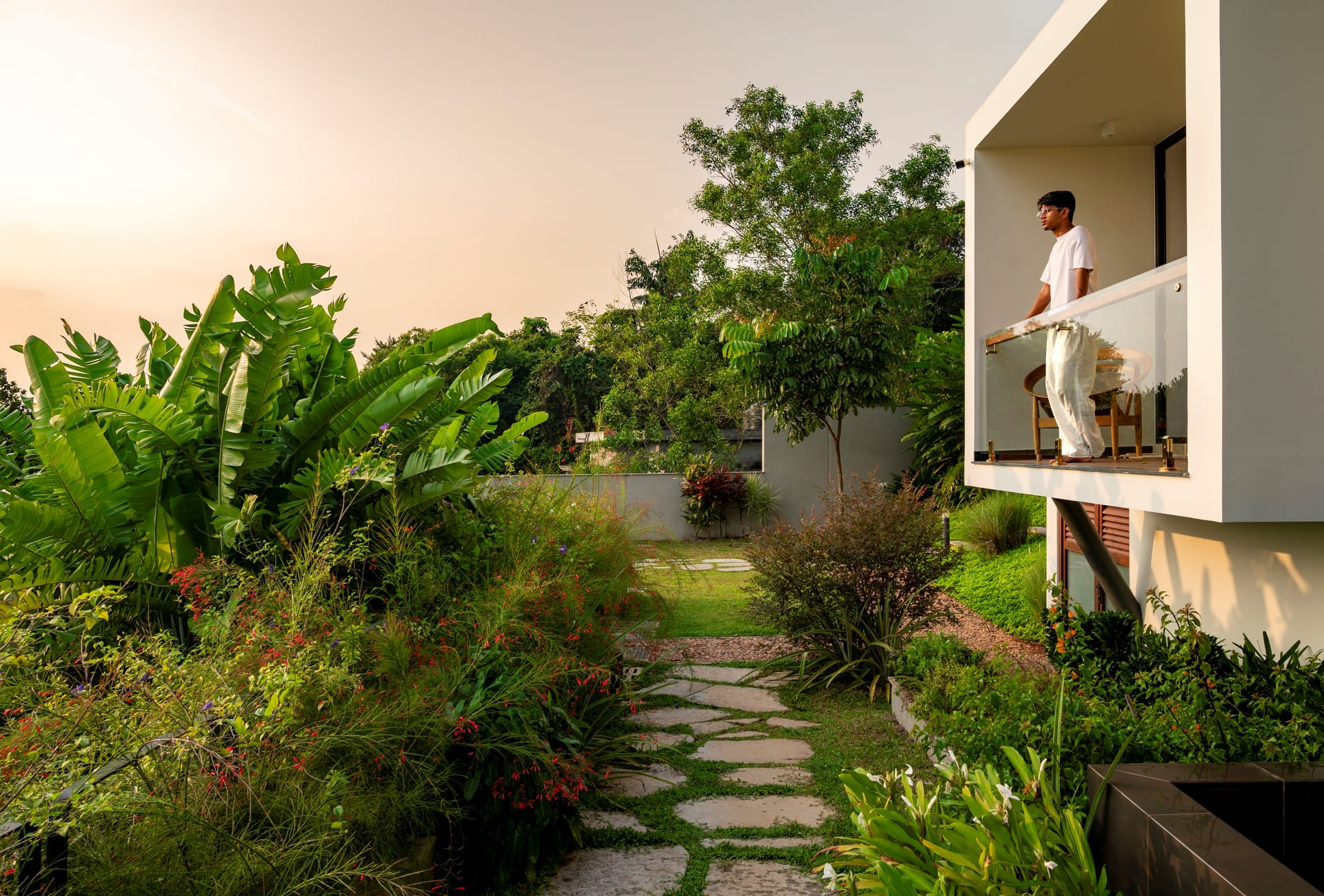
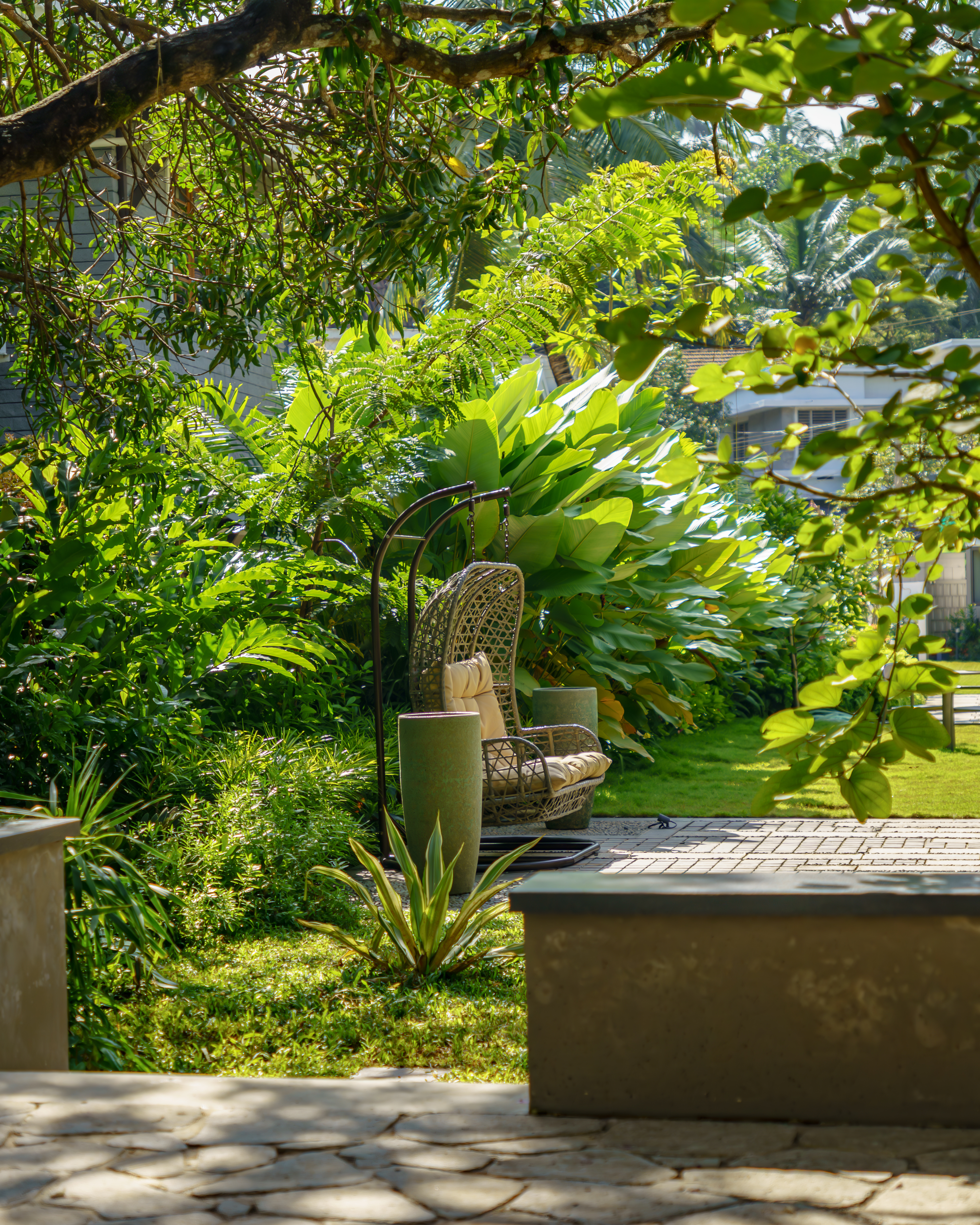
I thought Planting Design was about composition. I was only half right. In architecture school, planting design felt like composition. Balance. Texture. Contrast. Seasonal variation. A tree became a vertical marker. Shrubs formed mass. Groundcovers softened edges. Planting was something we arranged. And for a while, that understanding felt complete.
It wasn’t wrong. It was just incomplete.
When Plants Become Design Language
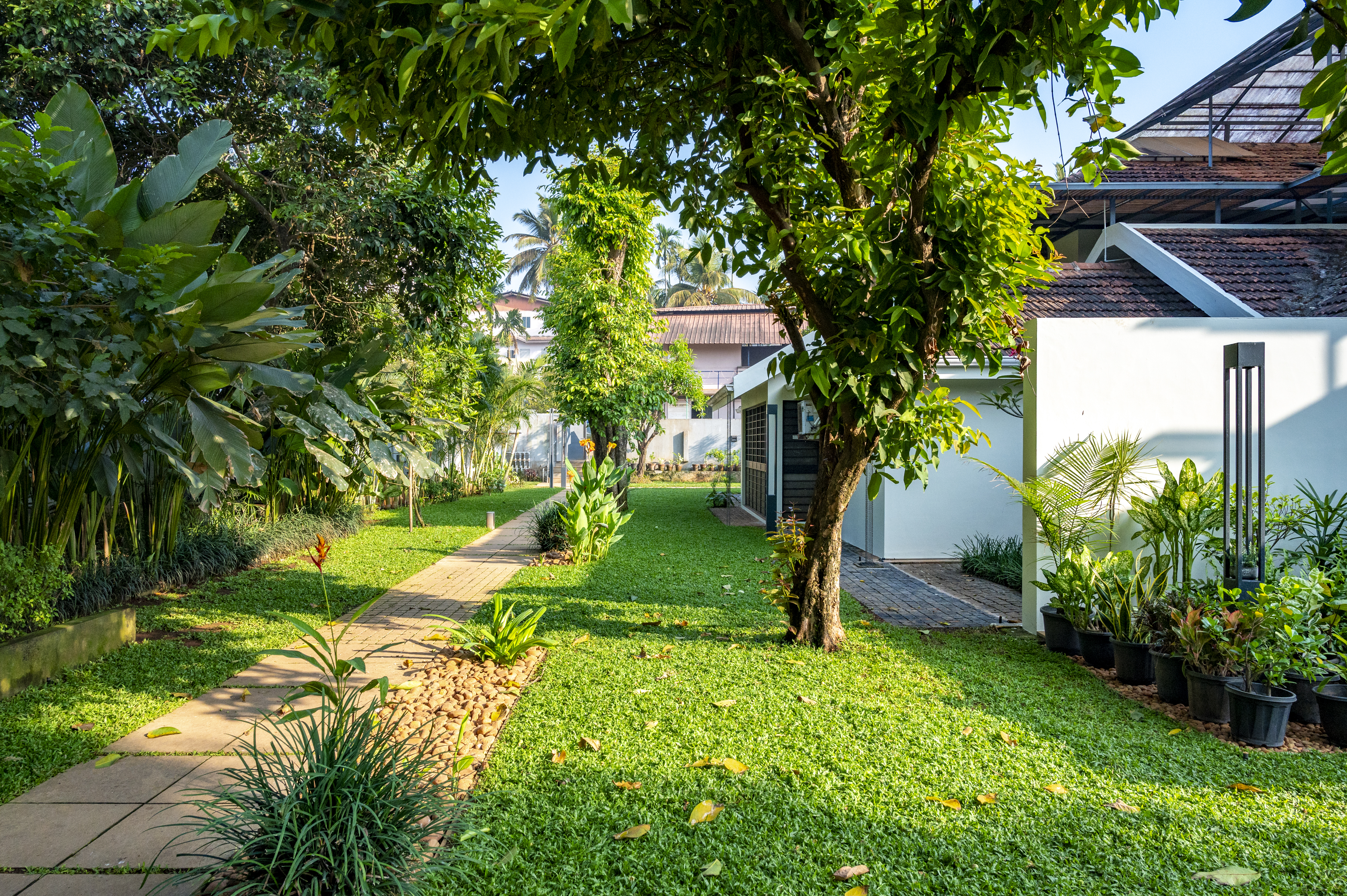
My academic training was rigorous and ecologically aware. We studied native species, climate responsiveness, soil conditions and plant behaviour. Sustainability was part of the vocabulary. But within studio culture, planting often operated through form. We spoke about layering, massing, enclosure and rhythm. Drawings emphasised canopy spread and spatial axes. Plants shaped how space was perceived.
Somewhere along the way, I internalised planting as a compositional tool — a way to articulate space. Useful, yes. But limited. Because planting is not only about how a landscape reads in plan. It is about how it lives over time.
The First Discomfort
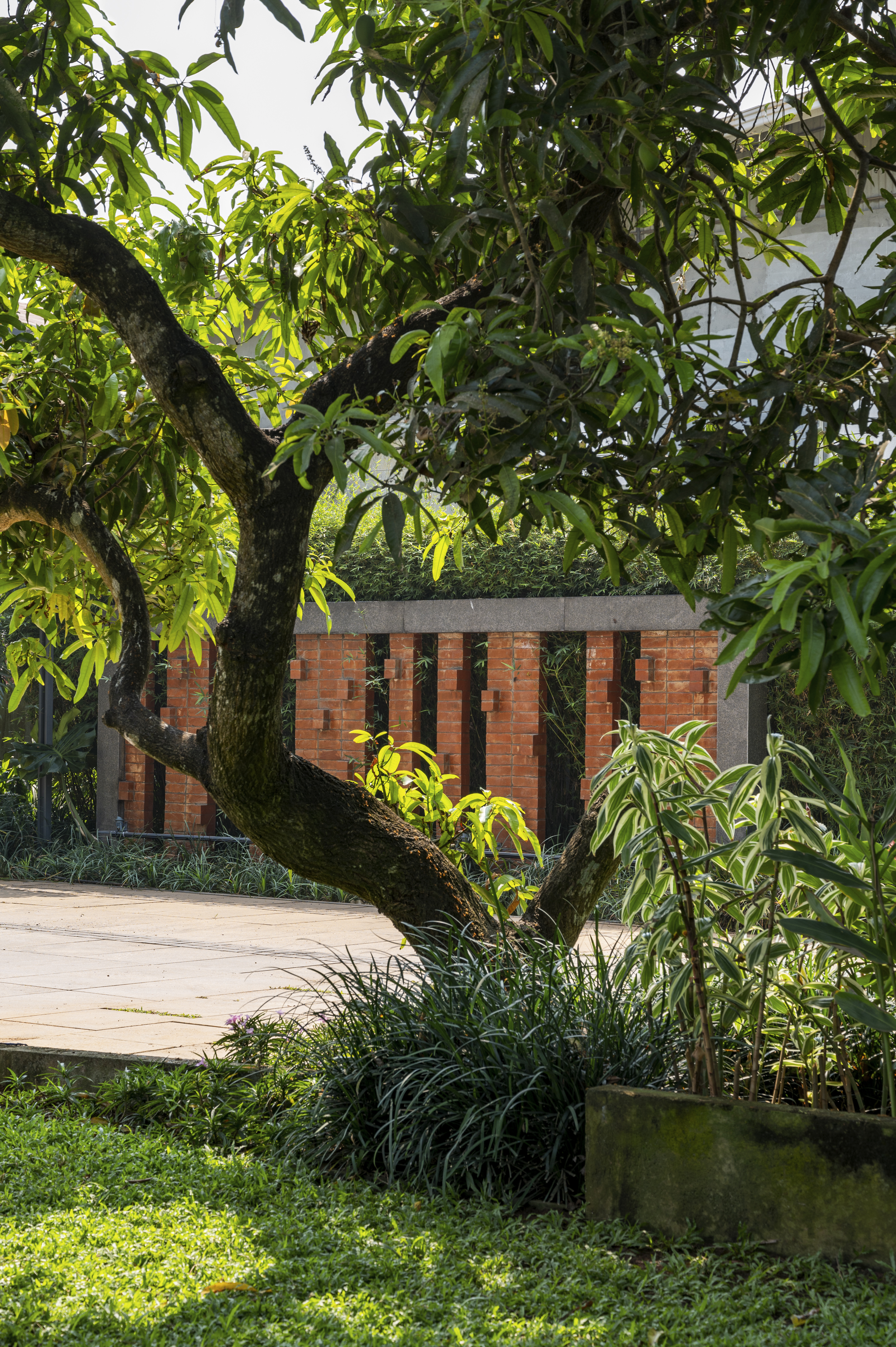
My perspective began to shift when I started observing traditional landscapes in Kerala — sacred groves, temple precincts, old home gardens. These spaces weren’t curated for visual drama. They weren’t obsessed with novelty. And yet, they worked — effortlessly.
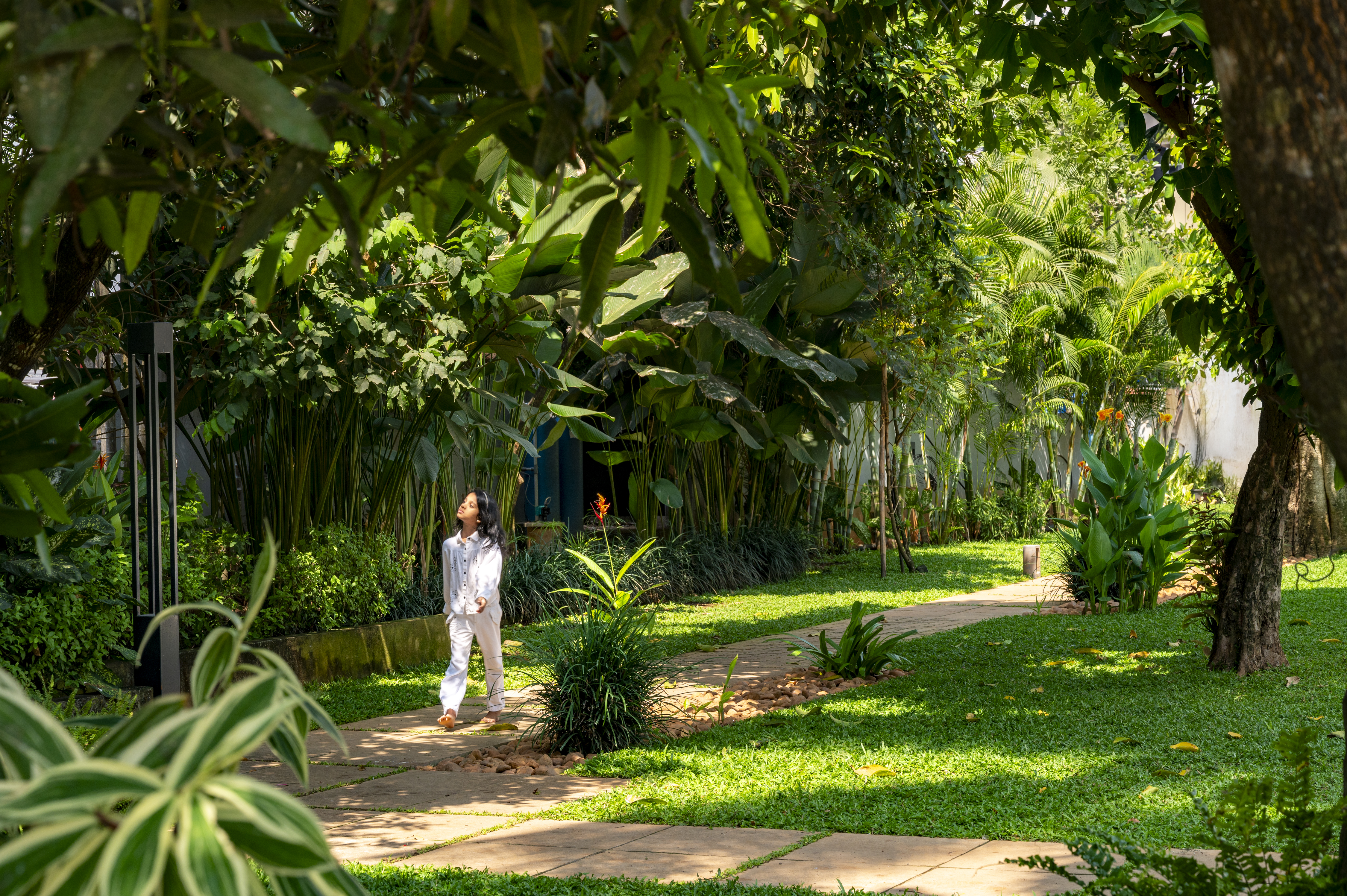
Indigenous species created complex canopy layers. Microclimates were stable. Soil life thrived. Birds and insects were part of the system. Planting here was not decoration. It was ecological infrastructure. That was the first crack in my earlier understanding.
Practice Is a Ruthless Teacher
Real sites don’t care about beautiful drawings. They care about survival. Laterite soils. Water scarcity. Maintenance limitations. Client budgets. Nursery availability.
Suddenly, planting stops being graphic and becomes ethical.
You begin asking different questions: Will this survive without chemical dependence? What happens in year five? Year ten? Does it support biodiversity — or just look good in photographs? Who maintains it when the project team leaves?
A plant is no longer texture or colour. It is a long-term responsibility. And slowly, the aesthetic lens widens into an ecological one.
The Nursery Reality
Another truth emerges in practice: design is often shaped by availability. The gap between what we draw and what we can source remains significant. Many indigenous species are not commercially available. Nurseries tend to stock ornamental cultivars, exotics, and fast-growing species with higher demand.
This doesn’t mean ecological design is impossible. It means it demands persistence — building relationships with local growers, propagating from the site itself, and designing with flexibility. Sometimes the right species takes longer to find than to plant.
Toward a Living Design Language
Over time, my understanding of planting design has shifted from composition to cultivation. From arranging plants in space to thinking about how plants, soil, water, and wildlife interact over decades.
It is no longer just about what looks right. It is about what belongs. What stays. What gives back. Planting design, at its most meaningful, becomes an act of ecological stewardship — a quiet commitment to the land, long after the drawing is complete.